
A key snapping off mid-turn leaves a fragment jammed awkwardly inside the lock. Our technicians extract it carefully, checking the mechanism thoroughly afterward, so nothing’s left compromised once the piece is out.
Careful extraction, a thorough check of the mechanism, and every Norwood callout handled with the precision a snapped key demands. Technicians leave the lock fully functional, not just cleared of the fragment.
A snapped key blocks everything, so extraction happens carefully without wasting a moment.
Older Norwood doors often have original, harder-to-source lock components, so technicians extract carefully and assess without assuming standard parts fit.
The lock gets inspected thoroughly afterward, giving you certainty nothing else was compromised.
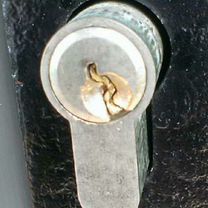
Norwood’s older Federation-era locks sometimes have more delicate internal mechanisms than modern equivalents. Keys can snap more easily in hardware that’s decades old and naturally worn. Technicians extract fragments with particular care in these older mechanisms, avoiding further damage to delicate parts. This matters across Norwood’s well-preserved streetscape of character properties. Gentle, experienced extraction protects genuinely irreplaceable original hardware.

Norwood’s character homes often contain antique furniture with small, delicate locks prone to key breakage. These pieces sometimes hold genuine sentimental or monetary value beyond the lock itself. Technicians extract fragments from these smaller mechanisms carefully, treating antique pieces with appropriate respect. This is a familiar request among Norwood residents with inherited or collected furniture. Careful handling protects pieces that matter well beyond their practical function.

A key snapping off in a Norwood Parade shopfront lock creates immediate, direct pressure on trading. Every minute the business remains inaccessible affects the day’s takings. Technicians prioritise these extractions, understanding the genuine urgency facing Parade-based businesses specifically. This matters significantly for Norwood’s community of independent retailers and café operators. Fast, careful extraction gets trading resumed with minimal disruption to the business day.

Norwood’s active rental market means broken keys sometimes surface right during a tenant changeover period. Landlords and agents need quick resolution to keep handovers running smoothly. Technicians prioritise these time-sensitive extractions, understanding the tight scheduling involved in rental turnovers. This matters for Norwood’s property managers coordinating multiple tenancy changes regularly. Quick resolution keeps handover schedules from being disrupted unnecessarily.
In most suburbs, a key breaking inside a lock is an inconvenient mechanical problem that a professional locksmith resolves with specialist tools and careful technique. In Norwood, it is all of that — and potentially something more significant. When a key breaks inside the original mortise cylinder of a Federation bungalow on Osmond Terrace, or inside the period rim lock of an Edwardian villa whose original door hardware has been faithfully maintained for more than a century, the extraction challenge carries an additional dimension that standard broken key extraction service simply doesn’t account for. The fragment must be removed without damaging keyway surfaces that may be irreplaceable. The extraction tools must be appropriate for cylinder profiles that haven’t been manufactured for generations. The technique must be applied with the patience and precision that heritage hardware demands — because the consequences of a hasty or careless extraction on original period hardware are potentially permanent.
At Norwood Secure Solutions, our broken key extraction service brings both the technical precision that all broken key situations require and the heritage hardware sensitivity that Norwood’s distinctive property landscape specifically demands. Our licensed technicians carry purpose-built extraction tools appropriate for the complete range of lock types found in Norwood’s residential and commercial stock — from original Victorian-era mortise cylinders through to contemporary high-security systems and automotive ignition locks — and apply extraction techniques developed through extensive experience with the specific hardware challenges of inner-eastern Adelaide’s heritage environment. In the vast majority of cases, we remove the broken fragment completely, without damage to the cylinder, and restore the lock to full service without replacement — saving Norwood’s heritage property owners the cost and the potential heritage loss of an unnecessary lock replacement.
Key breakage in Norwood’s property environment follows patterns that reflect the suburb’s distinctive heritage character and Adelaide’s specific climate conditions — patterns that differ meaningfully from the standard suburban broken key scenario:
Norwood’s original Federation and Edwardian homes carry lock cylinders whose internal profiles differ substantially from contemporary residential lock profiles — both in the geometry of the keyway and in the tolerances within which the key blade operates. Original period cylinders that have developed wear over more than a century of daily use create operating conditions that subject modern replacement keys — which are cut to period profiles but manufactured from contemporary key metals — to abnormal stress patterns that accelerate metal fatigue and increase breakage risk significantly.
Adelaide’s summer temperatures — regularly exceeding 40 degrees Celsius and occasionally reaching extreme peaks — create thermal conditions that accelerate metal fatigue in key blades through two simultaneous mechanisms. The heat itself softens key metal slightly, increasing its susceptibility to plastic deformation under rotational stress. The thermal expansion of metal lock cylinders in extreme heat simultaneously increases the friction the key blade experiences during operation — creating a combination of increased metal vulnerability and increased operational stress that produces breakages at a rate Adelaide’s climate generates more frequently than more temperate cities.
Original mortise cylinders on Norwood’s heritage homes have experienced more than a century of daily key operations — and the accumulated wear on internal lever surfaces, the gradual distortion of the key profile through repeated use, and the corrosion that Adelaide’s variable humidity creates on exposed metal surfaces all contribute to cylinders that require significantly more force to operate than their original design specification assumed. Replacement keys operating in these worn cylinders experience stress levels that their manufacturing specification didn’t account for — and eventually, that accumulated stress produces a breakage.
Not all replacement keys are manufactured to the same metal quality standard — and a key cut from a substandard blank, or cut on equipment that produces blade-profile inaccuracies that increase operational stress, will fail sooner in Norwood’s demanding heritage cylinder environment than a correctly cut key from quality blank stock. The combination of a substandard replacement key and a worn period cylinder creates a breakage risk significantly higher than either factor would produce independently.
Norwood’s period lock hardware — particularly mortise cylinders that have received inadequate lubrication over recent years — develops stiffness that tempts operators to apply increasing rotational force to overcome the resistance. The key blade is always the mechanically weakest component in the chain between the operator’s hand and the lock mechanism — and when heritage cylinder stiffness requires meaningful force to overcome, every operation is an incremental step toward the breakage that eventually occurs.
The standard arguments against DIY broken key extraction apply with amplified force in Norwood’s heritage property context — because the consequences of extraction tool damage on irreplaceable period hardware are potentially permanent rather than simply inconvenient:
The keyway profiles of Norwood’s original mortise cylinders are specific to the period lock manufacturer and model — and replacement cylinders matching these profiles may no longer be commercially available. Improvised extraction tools that don’t match the keyway profile risk damaging keyway walls, distorting the lever arrangement, or scratching internal surfaces in ways that cannot be repaired and that may render the cylinder irreplaceable. A broken key extraction attempt that damages the keyway of an original Victorian mortise cylinder may convert a solvable extraction problem into a permanent loss of original heritage hardware.
The internal architecture of original period mortise mechanisms differs substantially from contemporary pin tumbler cylinders — creating specific internal spaces and obstructions that a pushed-deeper fragment can become lodged within in ways that are far more difficult to address than a fragment sitting in the keyway. Once a broken key fragment enters the internal mechanism of a period mortise lock, extraction without mechanism disassembly may become impossible.
The suggestion to apply adhesive to a thin implement and bond it to the broken fragment is particularly hazardous in period lock hardware — where internal mechanism spaces are smaller, lubricant residues make bonding unreliable, and adhesive contamination of original mechanism components may prevent successful operation even after the fragment is removed.
Our technician begins by identifying the specific lock type and hardware era before assessing the fragment’s position — because the extraction approach appropriate for a contemporary pin tumbler cylinder differs substantially from the approach required for an original period mortise mechanism. For heritage locks, this identification step includes assessing the cylinder’s manufacturing era, its internal profile type, and the condition of internal components visible through the keyway before any extraction tool is selected.
We carry extraction tools in profiles appropriate for period lock keyways alongside the standard range for contemporary residential and commercial cylinders. Selecting the correct tool for the specific period keyway profile — one that engages the fragment without contacting the keyway walls of the period cylinder — is the most critical decision in the heritage broken key extraction process.
If the key broke during turning — with the fragment under rotational tension in the cylinder — relieving that tension requires particular care in period mortise mechanisms where the lever arrangement interacts with the bolt work in ways that can cause collateral mechanism movement if tension is relieved incorrectly. Our technicians apply tension relief tools with the specific awareness of period mechanism architecture that this step demands.
The insertion of the extraction tool into a period keyway requires guidance by the specific profile of that keyway — profiles that differ from contemporary lock profiles in ways that make the tool insertion step genuinely more demanding than in standard residential cylinders. We take the time this step requires rather than forcing tools into period keyways under time pressure.
With the extraction tool correctly positioned, we apply the controlled outward pressure required to engage the fragment against the keyway wall and withdraw it smoothly — applying the patience that period hardware extraction demands rather than the speed that might damage irreplaceable internal surfaces.
Following successful extraction, we assess the period cylinder’s condition with the specific knowledge of what wear and damage looks like in heritage lock hardware — identifying whether the cylinder remains safely serviceable, whether professional servicing and lubrication will restore reliable function, or whether the extraction has revealed underlying wear that makes continued service inadvisable for security reasons.
Following the extraction and cylinder assessment, we provide honest advice on the most appropriate next steps — whether that’s a new key cut from the broken original using period-accurate blank stock, a professional cylinder service that restores smooth operation and reduces future breakage risk, or a sympathetic cylinder replacement using period-appropriate hardware where the assessment reveals damage that makes continued service unsafe.
Our broken key extraction capability covers every lock and key type encountered in Norwood’s residential, commercial, and automotive landscape:
Once we’ve extracted your broken key and assessed the contributing factors, these specific measures significantly reduce recurrence risk in Norwood’s heritage property context:
Norwood’s original period lock mechanisms benefit enormously from annual professional servicing — cleaning accumulated contamination from internal components, lubricating with period-appropriate products, and identifying developing wear before it reaches the point where key breakage risk becomes elevated. A serviced period lock is dramatically less likely to break a key than a neglected one.
Always have replacement keys for Norwood’s heritage locks cut by a professional locksmith using the correct period-profile blank from quality blank stock. A replacement key cut from a substandard blank, or on a machine not calibrated for the tighter tolerances of period lock profiles, will increase breakage risk from the first use.
A period cylinder that requires meaningful force to operate is a cylinder whose combination of internal wear and inadequate lubrication is already creating key breakage risk with every operation. Professional servicing that restores smooth operation eliminates this risk before a breakage occurs — at a fraction of the cost of extraction, new key cutting, and potential heritage cylinder replacement.
Heritage property spare keys should be stored in conditions that prevent the metal fatigue that temperature cycling and humidity exposure accelerate in period key metals — not in a garden key safe exposed to full Adelaide summer sun, but in a cool, dry location that preserves the key metal’s structural integrity for when it’s genuinely needed.
Our broken key extraction service covers Norwood and the surrounding inner-eastern suburbs including Kensington, Rose Park, Toorak Gardens, Marryatville, Payneham, St Peters, Hackney, College Park, and Magill. We come to your location fully equipped with period heritage extraction tools alongside our standard range — completing most extractions in a single visit with the heritage sensitivity that Norwood’s property landscape demands.
Don’t attempt DIY extraction on Norwood’s heritage lock hardware — the risk of irreversible damage to irreplaceable original period mechanisms is genuine and the consequences are permanent. Norwood Secure Solutions provides fast, precise, heritage-aware broken key extraction across Norwood and the surrounding inner-eastern suburbs — with period lock expertise, the correct extraction tools for every cylinder type, and the patient, careful technique that both heritage and contemporary locks deserve. Call us now and let our licensed technicians resolve your broken key situation without damaging the hardware that makes your Norwood property distinctive.
Same-Day Appointments Available

Yes, extra care is taken with older mechanisms, given their more delicate internal components.
Yes, smaller mechanisms like those in antique furniture are handled with appropriate, careful attention.
Yes, these situations are treated urgently, understanding the direct impact on the business's takings.
Time-sensitive extractions during tenant turnover are prioritised to keep handover schedules on track.
Yes, a new key can usually be cut on the spot once the fragment's been removed.
